Ask ten drivers which trailer is best and you’ll get ten answers, usually based on whatever they’re pulling right now. The truth is each one pays differently, works differently, and fits a different kind of driver.
Here’s a straight comparison of the three most common setups, dry van, reefer, and flatbed, plus a quick look at a few specialized options.
Dry van: the steady, flexible option
Dry van is the biggest segment of truckload freight. Think packaged consumer goods, paper products, beverages, retail freight, and general merchandise.
What’s good about it
- Lots of available loads in almost every market
- Lower equipment cost and fewer moving parts than a reefer
- Mostly no-touch freight; you back in, they load, you sign the BOL
- Easy for new authorities to get started with
What to watch for
- Rates are often the lowest of the three because so many trucks compete for it
- Long waits at big distribution centers and warehouses are common
- Lumper fees at grocery and retail receivers
Dry van is a solid place to start, especially for a new MC. Just stay sharp on detention, because that’s where van freight quietly eats your day.
Reefer: higher rates, more responsibility
Refrigerated trailers haul produce, meat, dairy, frozen food, and some pharmaceuticals. Reefers can also haul dry freight, which gives you more options when temperature-controlled loads are slow.
What’s good about it
- Typically pays more per mile than dry van
- Food doesn’t stop moving in a slow economy
- Strong seasonal spikes, like spring and summer produce runs out of California, Texas, Florida, and the Southeast
- Flexibility to run dry loads when needed
What to watch for
- Higher equipment and maintenance cost, plus reefer fuel
- Claims risk: a temperature problem can mean a rejected load
- Tight appointment times and overnight loading at produce sheds
- Some brokers require specific cargo insurance coverage, including reefer breakdown
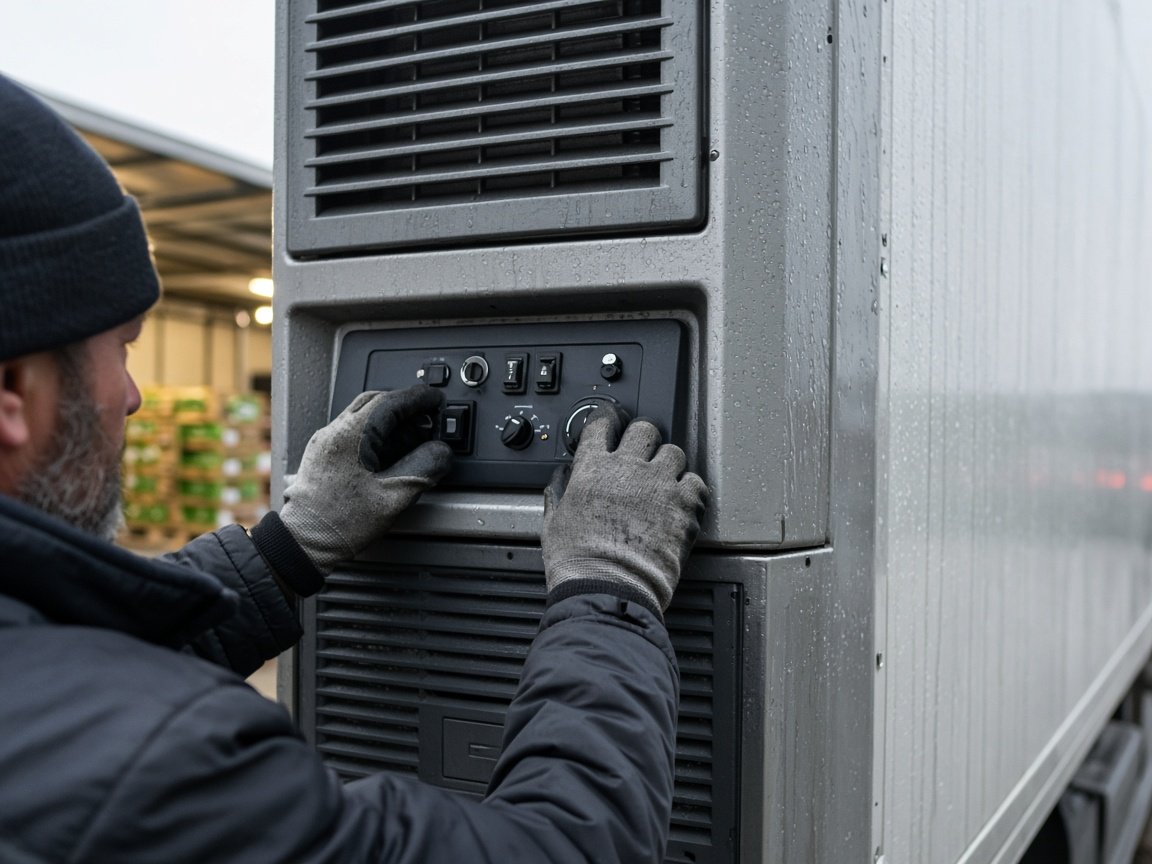
Practical habits for reefer: pre-cool the trailer before pickup, check the BOL temperature against the reefer setting and the rate con, and record pulp temps if the shipper allows it. If the three numbers don’t match, call the broker before you leave the dock, not after.
Flatbed: more work, more money
Flatbed hauls steel, lumber, building materials, machinery, pipe, and anything else that doesn’t fit in a box or needs to load from the side or top.
What’s good about it
- Usually the highest rates of the three
- Less competition because not every driver wants the work
- Many shippers load during the day, so less overnight dock sitting
- Strong demand during construction season
What to watch for
- Physical work: chains, straps, tarps, sometimes in rain or snow
- You need to know cargo securement rules and do it right every time
- Tarps, chains, binders, and edge protectors add to startup cost
- Freight volume drops in winter in colder regions
Always check whether a load needs tarps and get the tarp pay on the rate con. Securing and tarping a load of lumber can take an hour or more. That time should be paid.
Side-by-side at a glance
- Load availability: Dry van highest, reefer good, flatbed regional and seasonal
- Typical rates: Flatbed > reefer > dry van, with plenty of exceptions by lane and season
- Equipment cost: Reefer highest, then flatbed with gear, then dry van
- Physical work: Flatbed most, reefer and dry van mostly no-touch
- Biggest risk: Dry van is detention, reefer is temperature claims, flatbed is securement and weather
These are general patterns, not guarantees. Rates move with the market, so check lanes before you decide. Our guide on negotiating freight rates covers how to read that.
What about step deck, conestoga, hotshot, power only, and box trucks?
Step deck handles taller freight that won’t clear legal height on a standard flatbed, like machinery and equipment. It usually pays a bit more than flatbed but has fewer loads.
Conestoga is a flatbed or step deck with a rolling tarp system. Shippers like it for freight that needs protection, and drivers like not having to tarp by hand. It’s a niche, but a profitable one.
Hotshot uses a heavy-duty pickup with a gooseneck trailer for smaller, time-sensitive loads. Lower startup cost, but lower capacity and rates per load. Fuel and maintenance discipline matter a lot.
Power only means you pull a trailer someone else provides, often drop-and-hook. No trailer payment, and loads can be quick. You do need the right insurance (including trailer interchange coverage in many cases).
Box trucks run local and regional freight: final mile, expedited, and LTL-type work. Easier to get into, but rates and volume are very different from Class 8 freight.
How to choose
Ask yourself:
- How much physical work do I want to do every day?
- How much can I invest upfront in equipment and insurance?
- Which regions do I want to run, and what freight comes out of them?
- Do I want to be home weekly or run longer stretches?
A driver who wants to be home every weekend in the Midwest might do great with regional flatbed. Someone who wants to run hard and doesn’t mind nights at produce sheds might love reefer. There’s no single right answer.
If you’re just getting your authority, read our post on the first 90 days with a new MC before you lock in equipment.
Need loads for your setup?
Haulway Logistics dispatches all of these, dry van, reefer, flatbed, step deck, power only, box truck, hotshot, and conestoga, across the US. We’ll find freight that fits your equipment and the way you like to run.
Register your truck or get in touch and tell us what you’re pulling.